Mamanteo: old water harvesting in the Peruvian Andes
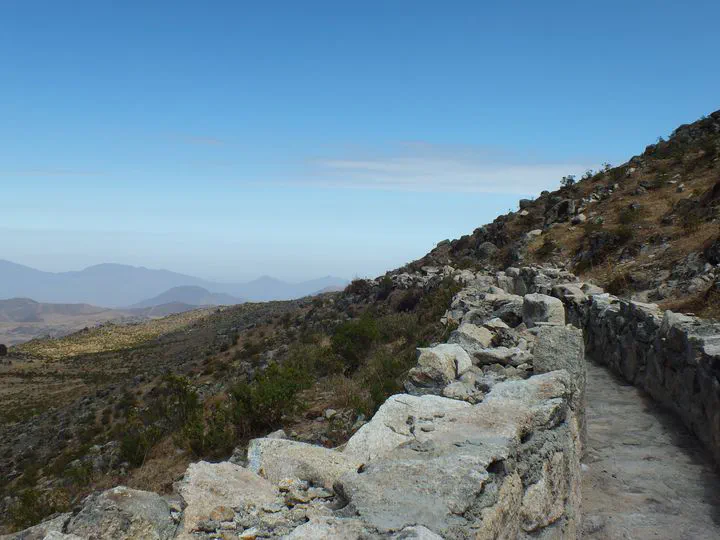 Mamanteo infiltration channels in Huamantanga, Peru, during fieldwork in 2014
| At a glance | |
|---|---|
| Where | Huamantanga and Lima, Peru |
| When | January to August 2014 |
| For | Aquafondo (Lima water fund) and Wageningen University |
| Data & tools | Infiltration measurements, soil samples, field mapping |
| My role | BSc thesis and internship |
In 2014 I did my BSc internship and thesis in Huamantanga, Peru, on a centuries-old water system called mamanteo (amunas in Spanish). The name comes from Quechua and means something like “to nurture” or “to breastfeed”. The idea is that you nurse water out of the mountain.
In the rainy season, runoff from the mountainside is led into stone channels. These channels don’t bring the water to a village. They bring it to spots where the ground is permeable enough for the water to sink in. It then travels through the soil and, weeks or months later, comes out lower down in springs that people use in the dry season. You sow water in the mountain and harvest it later. The Wari culture may have used this since around 700 AD.
My fieldwork looked at where and why water infiltrates differently around these channels. I measured infiltration rates along the canals, looked at soil properties, and mapped the area to see how the builders had picked their infiltration zones. They were not placed at random. The channels targeted high-permeability zones and specific elevations, and places where vegetation helped the soil structure.
This matters for Lima, a city of over 10 million people in a desert, with only a few small rivers. Since 2016 mamanteo systems have been restored in several places in the Andes, and Peruvian agencies have found them cheap and hydrologically useful: no energy needed, natural filtering, little maintenance, and stone channels that last for centuries.